Loading a dumpster — pro tips to fit more in and pay less.
A bin loaded by a pro fits 20-30% more debris than one loaded by a beginner. Same physical space, smarter packing. Here's how the dispatch crew tells customers to load.
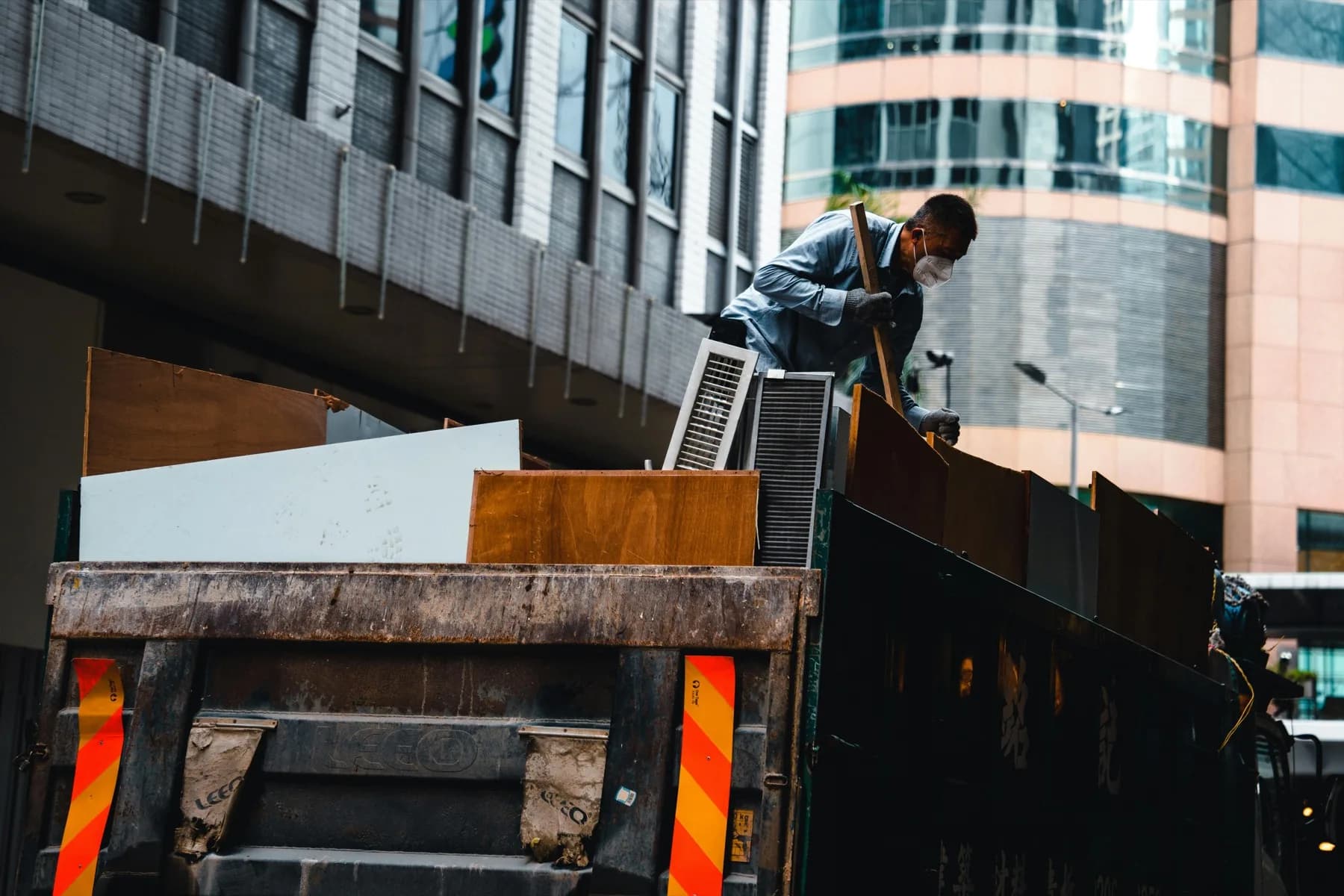
How you load a dumpster directly affects how much fits in it. A bin loaded carelessly — big items thrown in any orientation, voids left around large objects, debris piled high in one corner — wastes 20-30% of the volume. The same job can finish under capacity or trigger a second rental, just based on technique.
This guide is the loading method our depot crews use when they pack a bin themselves. None of it is rocket science — it's just systematic.
Step 1 — Plan the layers
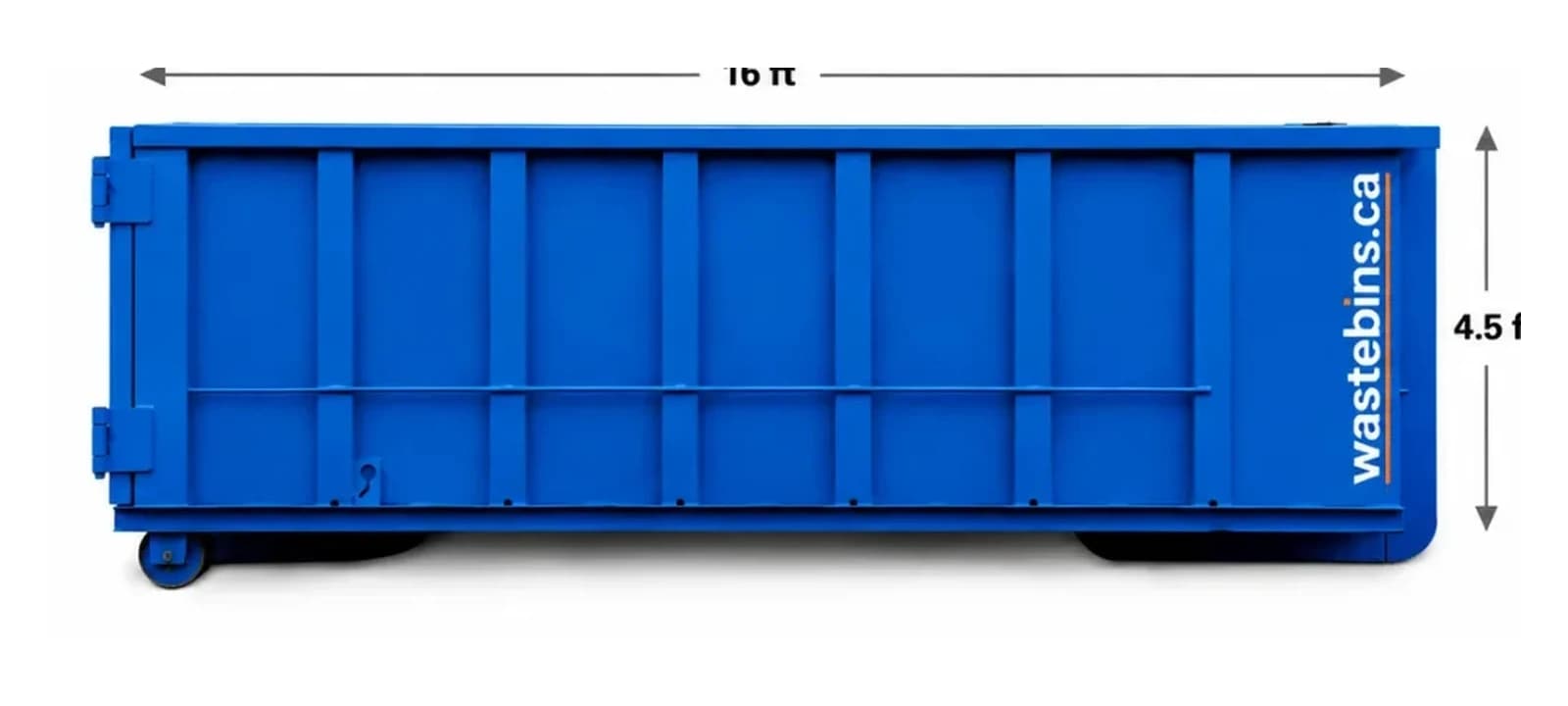
Before you load anything, plan the bin in three layers from bottom to top:
- Bottom layer (heavy and flat): Plywood sheets, drywall sheets, lumber laid flat. This creates a stable platform and uses the floor space efficiently. Heavy concrete or brick chunks also go here.
- Middle layer (bulky and rigid): Furniture (disassembled), appliances, doors, fixtures, large boxes. The biggest items go in next so smaller items can fill the gaps around them.
- Top layer (light and flexible): Bagged garbage, insulation, packing material, soft furnishings, smaller debris. This compresses to fill remaining voids.
Step 2 — Use the back door
Every roll-off dumpster has a swing door at the back end. Walk debris in through the door — don't throw it over the side. Walking debris in:
- Lets you orient large items efficiently
- Prevents bin-floor damage from dropped heavy objects
- Reduces injury risk (lifting overhead is a leading cause of back strain)
- Allows you to wedge items into corners for tighter packing
Close the door once the back is loaded and continue from the top.
Step 3 — Break down everything you can
Disassembly is the single biggest volume win:
- Furniture: Remove legs, remove drawers, separate cushions. A sectional sofa goes from 50 cubic feet intact to 18 cubic feet disassembled.
- Lumber: Cut to 4-foot lengths to lay flat. Long boards waste enormous bin volume.
- Drywall: Snap full sheets into manageable pieces (4'×2' is good). Stack flat in the bin.
- Cardboard boxes: Always flatten. A flattened box takes 5% of the volume of an unfolded one.
- Mattresses: Load flat, not on edge. On-edge wastes the entire vertical space around the mattress.
Spend 15-30 minutes breaking things down before loading and you'll often fit a one-size-smaller job into a one-size-smaller bin — that's a $80-150 saving on the rental.
Step 4 — Fill the gaps
After each layer of big items, walk around and look for visible gaps:
- Voids under appliances → stuff with bagged garbage or insulation
- Corners of the bin → wedge in long boards or small debris
- Around furniture → break down smaller items to fit
Most untrained loaders leave 15-25% of the bin as air. Filling those gaps is where the extra capacity comes from.
Step 5 — Distribute weight evenly
Don't pile everything in one half of the bin. A truck arriving to find all the weight in the front has trouble lifting and may need to redistribute manually. Spread heavy items across the floor; distribute them along the full length of the bin.
The "don't" list
- Don't load above the rim. Anything above the top edge is illegal for road transport. Either it gets removed before pickup or we charge a re-leveling fee.
- Don't throw heavy items in from the top. Damages the bin floor and creates a one-spot load concentration.
- Don't mix prohibited items. Keep paint, refrigerants, batteries, tires, and electronics out entirely. See our what goes in guide for the full list.
- Don't tarp it. The bin is open for our equipment to handle and weigh. Tarps can interfere with the lift and weighing process.
- Don't leave loose paper or light debris on top. Wind picks it up during transport and it ends up scattered along the route.
What if the bin fills before you finish?
Two options:
- Swap: we pick up the full bin and drop a fresh one in the same spot, same day if booked early enough. Cost is typically 60-70% of a full re-rental.
- Topper bin: a smaller second bin staged alongside the first. Cheaper if your overage is small but logistically tighter.
Call dispatch when you see you're approaching capacity — earlier you call, the easier the logistics. Don't wait until you've started piling above the rim.
The 10-minute pre-load checklist
- Have the back door open and reachable
- Sort debris into piles: heavy/flat, bulky/rigid, light/flexible
- Disassemble large items before loading
- Cut lumber to 4-foot lengths
- Flatten cardboard
- Set aside prohibited items for separate disposal
- Plan your three layers
- Walk debris in through the door, don't throw it
- Fill gaps after each layer
- Stop at the rim, not above it
For specific advice on sizing your bin to the job before loading, see our dumpster sizes guide. To check what's allowed and what triggers special-handling fees, see what goes in a dumpster. Ready to book? Get a free quote — same-day delivery in 60 Canadian cities.
Common questions.
Can I fill a dumpster above the top edge?
No. Loading above the rim is illegal for road transport. Any debris above the top edge has to be removed before the truck can leave, which costs time and may incur a re-leveling fee. Stop at the rim.
Should I load heavy items first or last?
Heavy items first, on the bottom and distributed across the floor of the bin. This keeps the center of gravity low and prevents shifting during transport. Lighter items on top.
Do I need to break down furniture and large items?
Yes for efficiency. A disassembled couch fits in about a third the volume of an intact one. Boards and lumber should be cut to 4-foot lengths or under to lay flat. Mattresses should go in flat, not on edge.
Can I throw items in from the top?
For small items, yes. For larger pieces, walk them in through the rear door (every roll-off has a swing door at the back). Throwing heavy items can damage the bin floor and shift the load.
What if the bin fills up before I finish loading?
Call dispatch to swap or exchange. Two options: pickup of the current bin plus delivery of a fresh one (faster), or a smaller "topper" bin staged alongside. Both cost less than booking two separate full rentals.
Are there items I should NOT load until the end?
Yes — keep prohibited items out entirely. If something needs special handling (paint, refrigerant, electronics), set it aside for proper disposal. See our what-goes-in-a-dumpster guide for the full list.
Ready to book a dumpster?
Same-day delivery in 60 Canadian cities. No card required. Bilingual dispatch.
Get a quote →